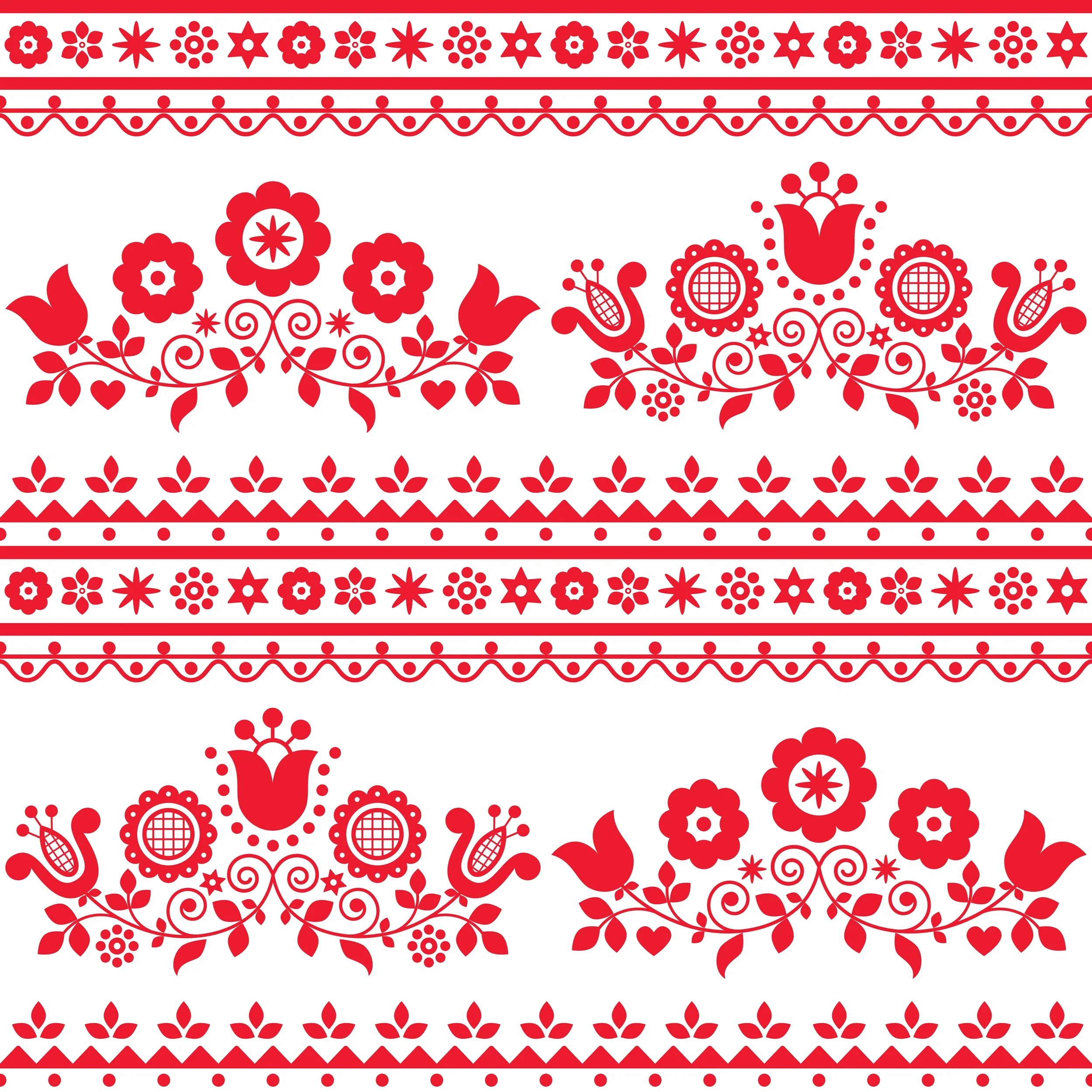
Polish Folk Embroidery
I used to think that two of the many requirements for becoming an adult were having a signature cocktail you ordered at restaurants and drank at friends’ houses, and having a collection of something. I was halfway there once I settled on the “Shirley Temple” and realized all I needed was a collectible... Hummel figurines, salt and pepper shakers, depression glass, what would it be? I experimented with many—some by choice, like spoons and anything frog-related—and others imposed on me, like Value Tales books (which I genuinely loved!) and Madame Alexander dolls. My aunt gave me the dolls, but I didn’t like any of them. Their limbs were too stiff, their clothes never fit quite right, and she expected me to keep them in their boxes “to increase their value.” Who was Madame Alexander, anyway?
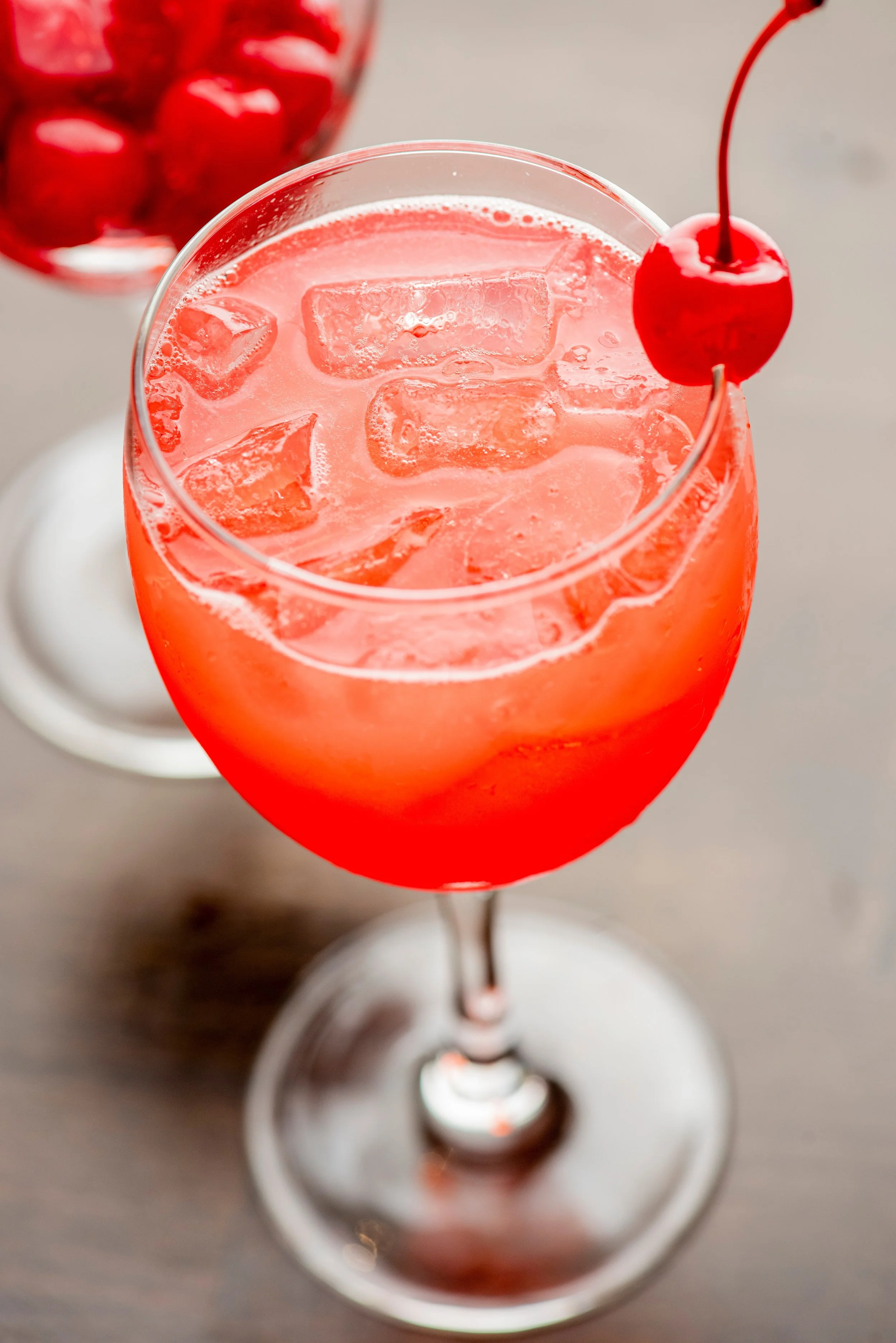
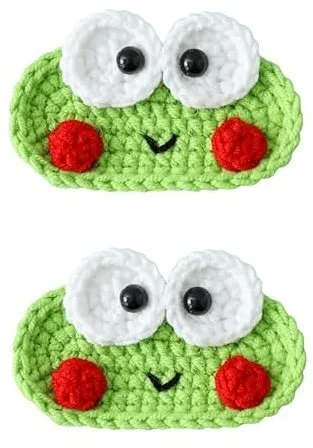
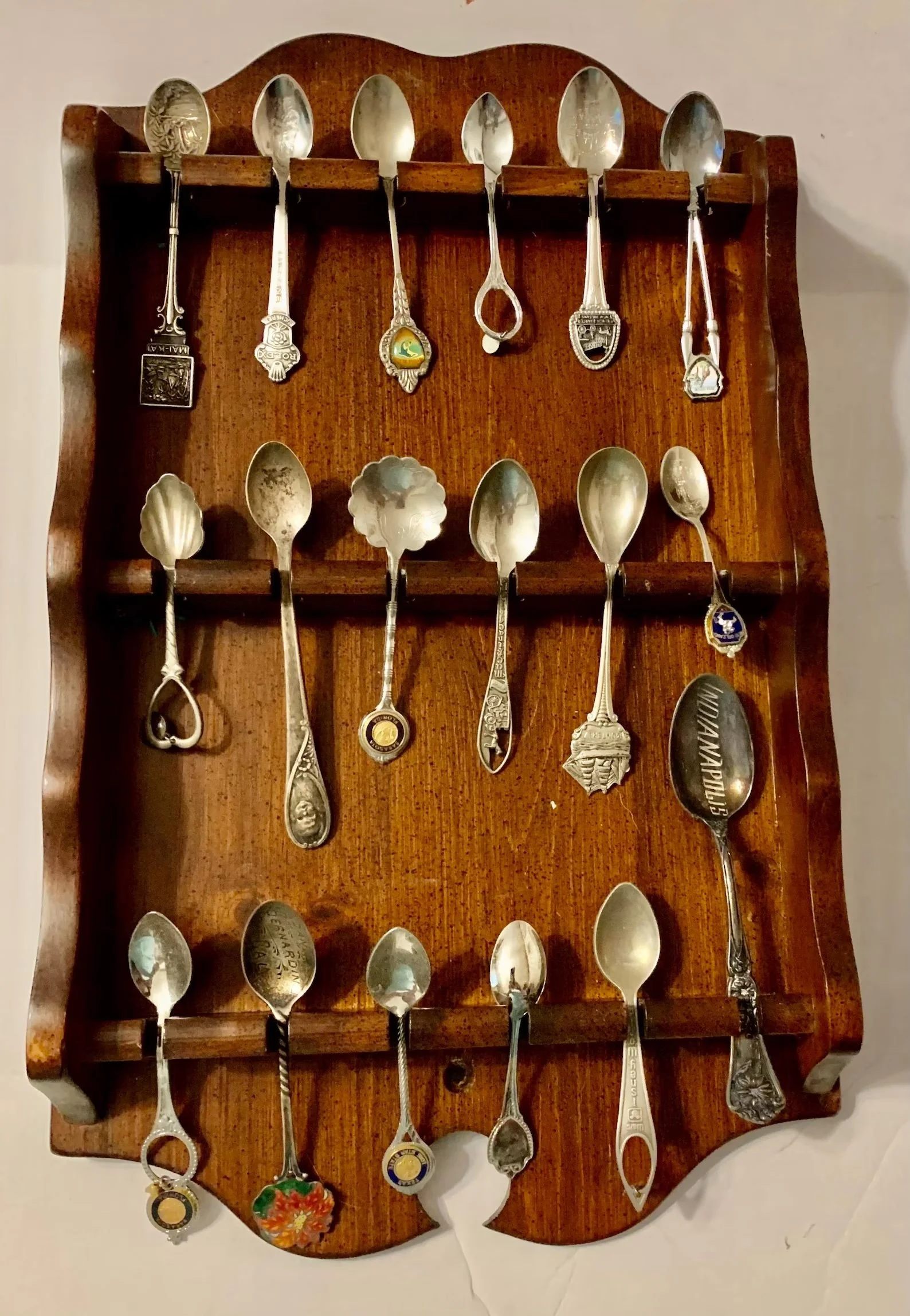
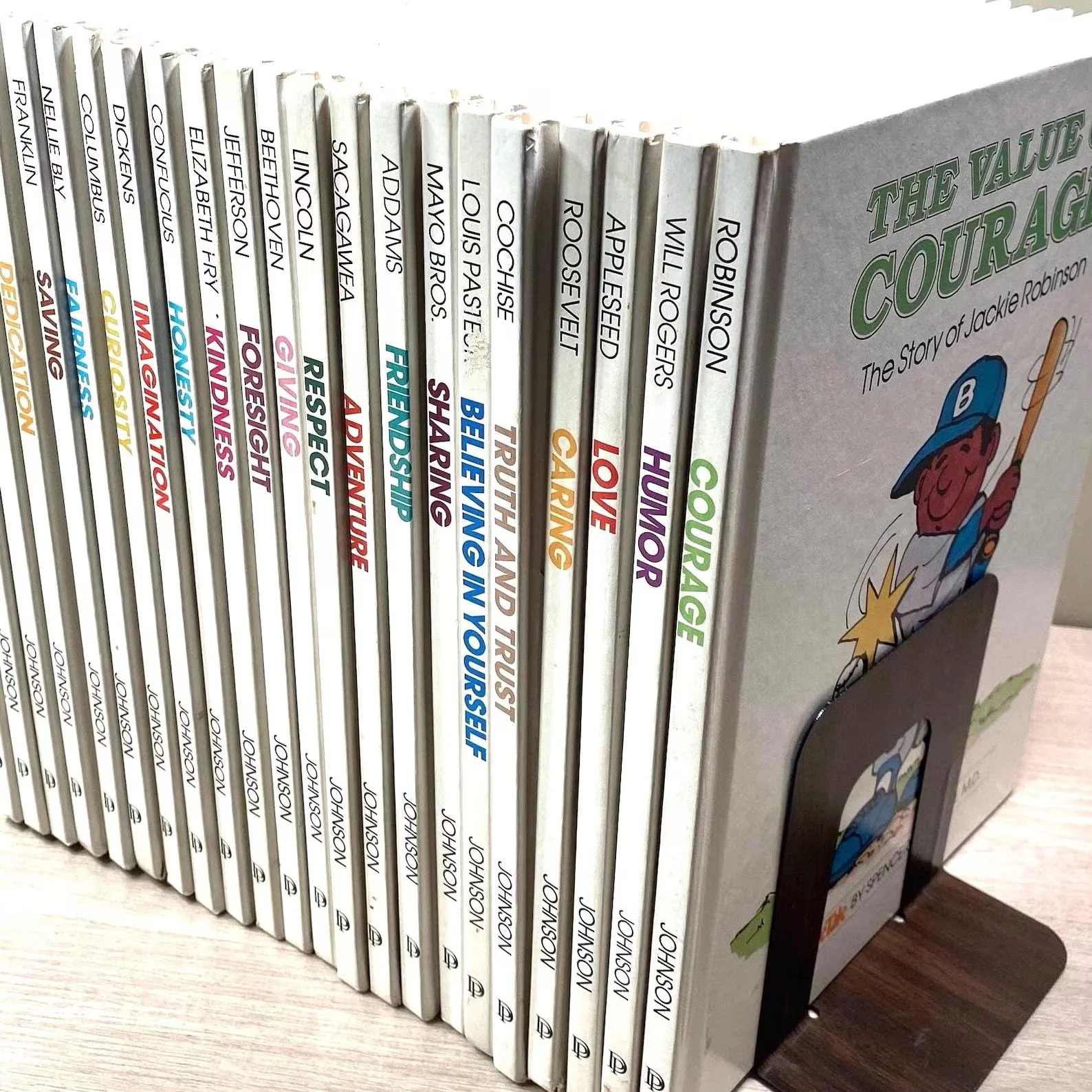
Yes, I had one of those spoons racks on my wall
〰️
Yes, I had one of those spoons racks on my wall 〰️
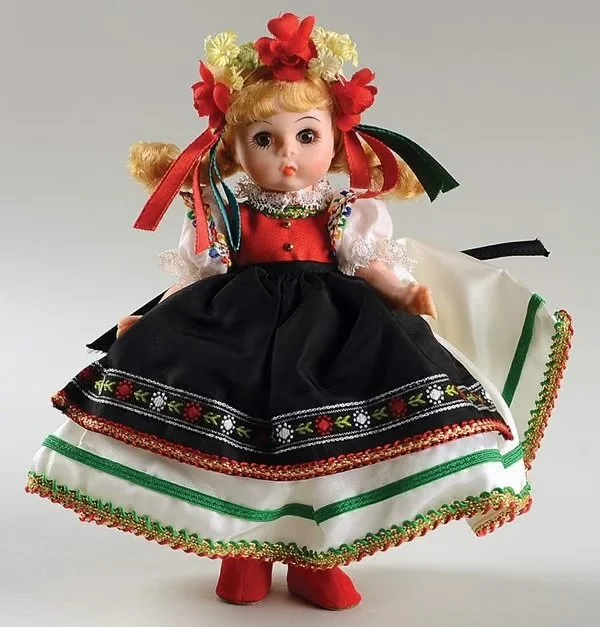
Then one Christmas I received a Polish doll. She wore a traditional folk costume in vivid red, black, and white, with a floral wreath and trailing ribbons, a lace-trimmed blouse, a red vest, and a full embroidered skirt, beneath which were the cutest little red boots. I took her out of the box immediately and gave her a special place on my bedroom shelf.
At that time, I was obsessed with costumes. I adored the Little House on the Prairie books and desperately wanted my own calico dress and bonnet. I even asked my mom if I could call her “Ma” and bring my lunch to school in a metal pail like Laura. Thankfully, she put an end to that fantasy and nudged me toward the Shoes series by Noel Streatfeild instead. But one thing stayed with me: every time I looked at that Polish doll, I longed for an embroidered Polish folk dress of my own. Where I would wear it? Well…I never got that far.
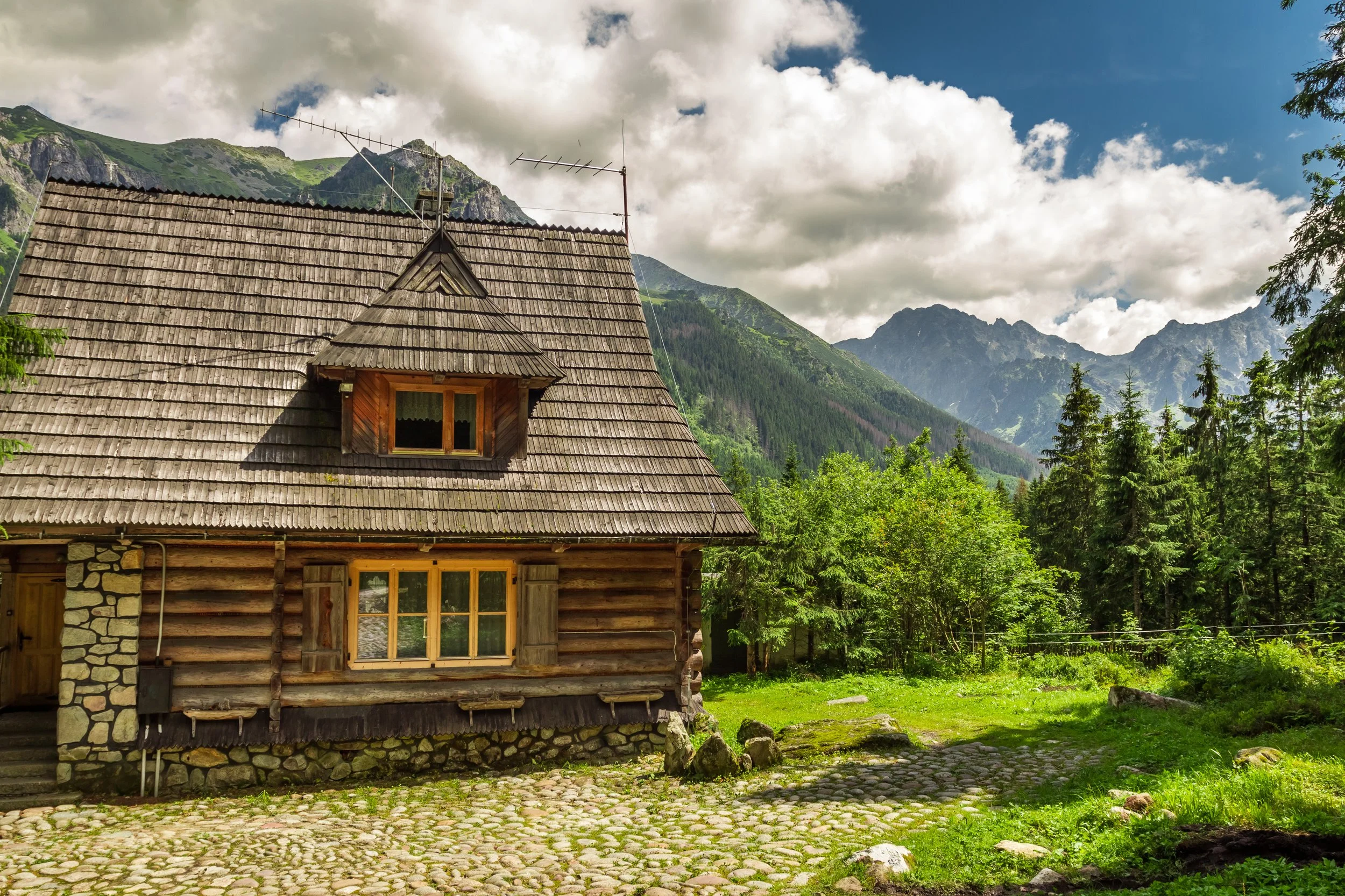
Polish folk embroidery is a vivid expression of regional identity. For The Widow from Delray, I spent hours researching patterns from across Poland before settling on the Tatra Mountains. I had visited the region in 1996 and fell in love with its cozy wooden architecture, as well as the best Bigos and trout of my life, caught from a stream just outside.
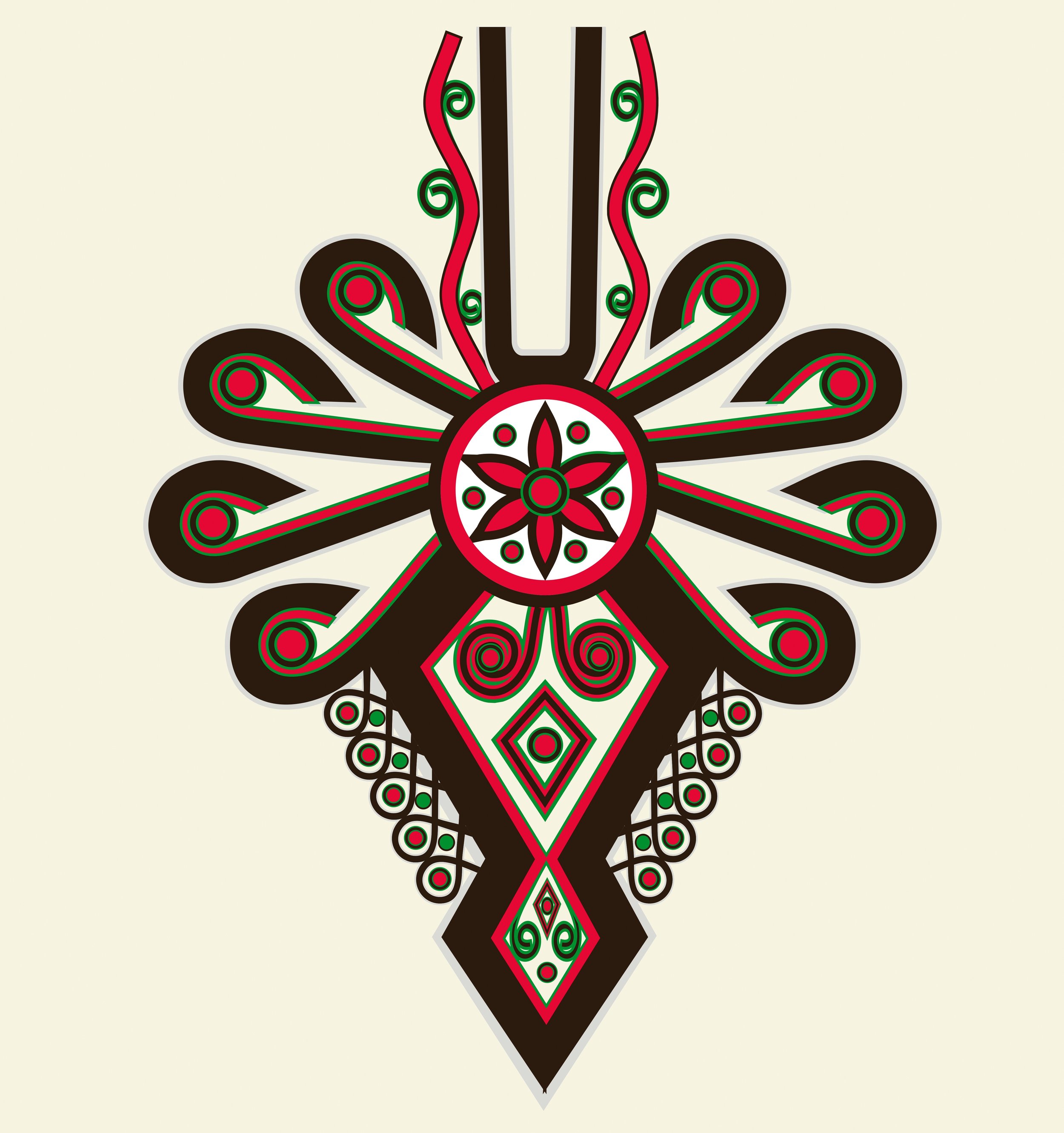
In the Tatra Mountains and the Podhale region, needlework is closely tied to highlander (Górale) traditions. The bold colors, geometric patterns, and meticulous craftsmanship reflect both the rugged mountain landscape and centuries-old cultural symbolism. Among the most iconic motifs is the parzenica—a heart-shaped, intricately looping design often embroidered on men’s trousers and other decorative garments.
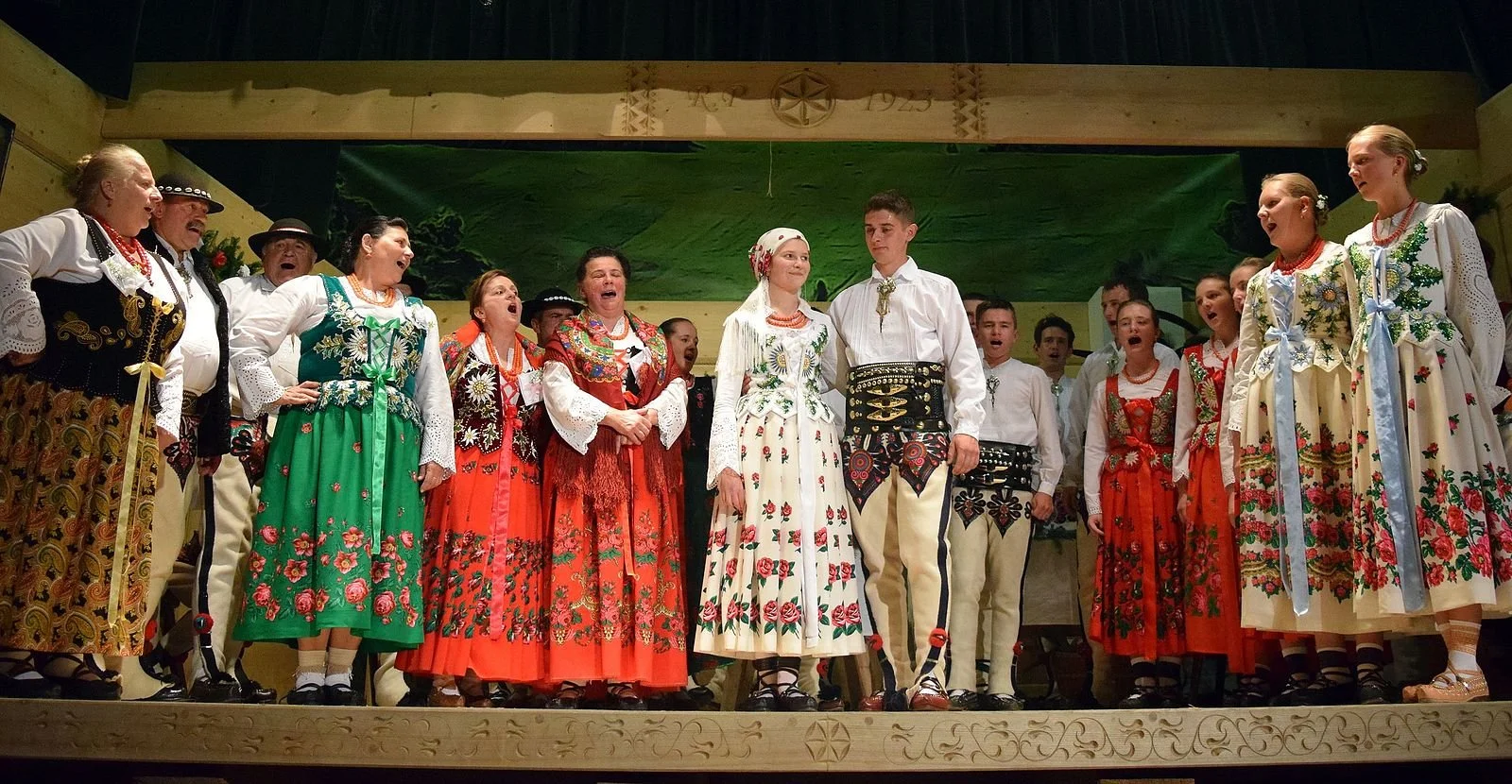
Photo taken by: Marta Malina Moraczewska, 16 August 2016, "Gorals' Wedding" folk performance at Dom Ludowy Theatre
Through my research it reinforced the point that Polish people are incredibly crafty. Amber jewelry, iconic blue-and-white Bolesławiec pottery, wooden carvings, intricate paper crafts, and colorful embroidery—all blending traditional techniques with vivid, natural elements.
For inspiration, I follow the Polish Art Center in Hamtramck, MI and the Folka online shop based in London. I’ve also found some wonderfully inspiring embroidery on Polish folk costumes here.
Want to try Bigos, the national dish of Poland? This guy on YouTube, The Polish Chef, is entertaining and his instructions are easy to follow.
https://www.youtube.com/watch?v=1apfclvfz64
